
Benefits of Cupping Therapy for Pain Relief
A tight shoulder that keeps returning, a low back that stiffens after a workday, or a calf that never quite settles after training can make recovery feel frustratingly slow. The benefits of cupping therapy may include short-term pain relief, easier movement, and reduced muscle tension, particularly when it is used as part of a personalized rehabilitation plan rather than as a stand-alone fix.
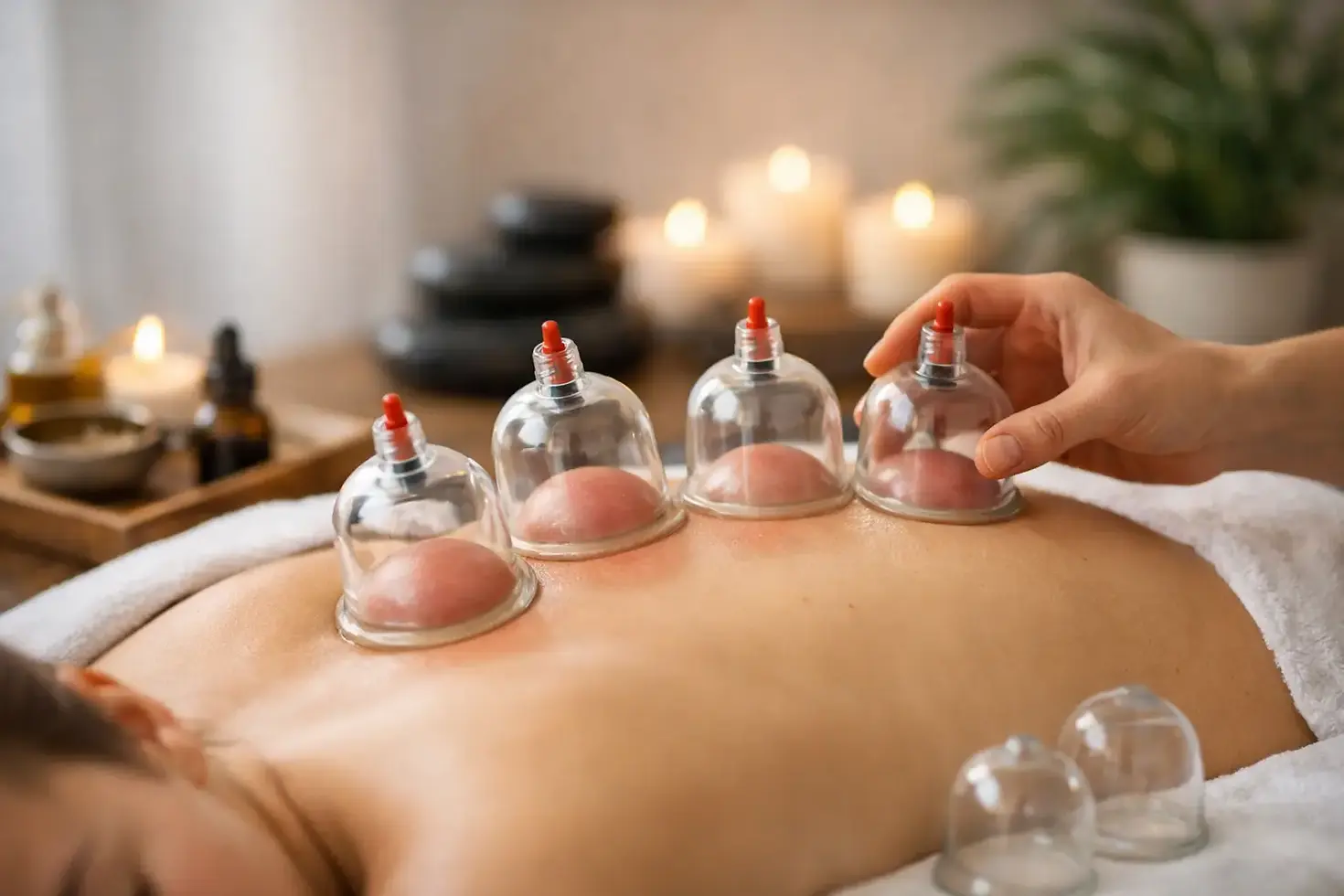
Cupping is a hands-on treatment that uses specialized cups to create gentle suction on the skin. The suction lifts superficial tissue rather than pressing downward, which gives it a different feel from massage. Some patients describe a pulling or stretching sensation, followed by a sense that the area can move more freely.
What cupping therapy is designed to do
A registered health professional may use silicone, plastic, or glass cups over areas of muscle tightness or restricted movement. Cups may remain still for a few minutes, or they may be moved across the skin with lotion to create a gliding technique. The right approach depends on the body part being treated, your symptoms, your health history, and how sensitive the area is.
Cupping is commonly included in care for muscular neck and shoulder tension, low back discomfort, sports-related tightness, and movement restrictions following an injury. It is not meant to diagnose a condition, put a joint back into place, or replace an appropriate medical assessment. Instead, it can be one useful tool for making movement and exercise more tolerable during recovery.
The research on cupping is still developing. Some studies suggest it can help reduce pain in certain musculoskeletal conditions in the short term, but results vary, and researchers have not established a single explanation for why it works. That is why a thoughtful treatment plan matters more than relying on any one technique.
Benefits of cupping therapy for pain and mobility
For the right patient, cupping can create a valuable window of relief. When pain is lower and an area feels less guarded, it may be easier to turn your head, reach overhead, squat, walk, or complete the exercises that support longer-term progress.
It may ease muscle tension and sensitivity
Protective muscle tension is common after repetitive work, a sudden injury, poor sleep, or a demanding training block. Cupping provides a novel sensory input to the area and may temporarily change how the nervous system interprets discomfort. Patients often notice that tender tissue feels less sensitive afterward, even though the underlying cause still needs to be addressed.
This can be helpful for office workers whose upper back and shoulders become tight after hours at a desk, or for active people managing soreness around the hips, calves, or upper back. The result is not always dramatic, and it does not last the same amount of time for everyone. Still, even brief relief can help someone resume healthy, confident movement.
It can support range of motion
Restricted movement is often influenced by several factors: muscle tension, pain sensitivity, joint mechanics, scar tissue, and fear of aggravating an injury. Cupping does not solve all of these issues, but it may help an area feel more mobile in the moment.
A clinician might use it before guided mobility work for a stiff shoulder, a guarded neck, or a sore thoracic spine. That timing is purposeful. The temporary change in comfort is an opportunity to practice better movement patterns, not simply a reason to repeat passive treatment indefinitely.
It may complement recovery after activity
After a game, long run, heavy lift, or physically demanding shift, muscles can feel achy and overworked. Some people find cupping soothing as part of their recovery routine. It may be especially useful when combined with load management, sleep, hydration, progressive strengthening, and sport-specific guidance.
There is an important trade-off here. Feeling better after treatment does not necessarily mean the tissue is ready for full training volume. A clinician can help you distinguish normal post-activity soreness from signs that you should modify activity or investigate an injury further.
It offers a different option within hands-on care
Not every person enjoys deep pressure, and some painful areas are too sensitive for traditional massage at first. Because cupping creates lift rather than compression, it can be a comfortable alternative or addition for some patients. Others may prefer massage, joint mobilization, acupuncture, or active rehabilitation. The best option is the one that fits your presentation and helps you make meaningful progress.
What the marks mean after cupping
Circular red, purple, or darker marks are a common and expected response to stationary cupping. They are not bruises in the usual sense, and they do not indicate that toxins have been released from the body. The marks are related to the localized suction and changes in superficial blood flow under the skin.
Their color and duration can vary based on the amount of suction, how long the cups are applied, the body area, and individual skin characteristics. They often fade over several days, although they can sometimes last longer. Moving cupping generally creates less defined marks, but redness is still possible.
Your provider should explain this before treatment, especially if you have an event, photo session, or work situation where visible marks would be inconvenient. Cupping should not be painful. Mild tightness or tenderness afterward can happen, but sharp pain, blistering, or significant skin irritation should be reported promptly.
When cupping may not be the right choice
Cupping is not appropriate for every person or every area of the body. A careful health history helps your provider decide whether to modify the technique or choose another treatment.
It may need to be avoided over open wounds, active skin infections, burns, recent surgical sites, or areas with impaired sensation. Extra caution is needed for people with bleeding disorders, those taking blood-thinning medication, individuals with certain vascular conditions, and anyone with fragile skin. Pregnancy, cancer history, unexplained swelling, fever, or new severe pain also warrant an individualized clinical discussion before hands-on treatment.
If you have numbness, progressive weakness, major trauma, loss of bowel or bladder control, chest pain, or sudden severe symptoms, cupping is not the next step. Seek urgent medical assessment. The same applies to pain that is worsening without a clear reason or is accompanied by systemic symptoms.
Why cupping works best within a treatment plan
The most useful question is not, “Will cupping fix this?” It is, “Can cupping help me move, function, and participate in the rest of my recovery plan?” For many musculoskeletal concerns, lasting improvement comes from pairing symptom relief with active care.
That may include mobility exercises for a stiff neck, progressive strength work after a shoulder injury, gait and balance retraining after a motor vehicle accident, or practical changes to a workstation. A physiotherapist, chiropractor, massage therapist, osteopath, or other qualified provider may use cupping differently depending on their assessment and clinical scope.
At Kinetica Health Group, care can be coordinated across disciplines when a problem needs more than one perspective. For example, a patient with persistent low back pain may benefit from hands-on treatment to improve comfort, physiotherapy-guided exercise to build capacity, and movement coaching to make daily activities feel more manageable. Cupping may be part of that plan, but progress is measured by what you can do outside the treatment room.
What to expect at your first session
Your appointment should begin with a conversation about your symptoms, goals, medical history, and activities that are currently difficult. The provider will assess movement and identify whether cupping makes sense for the problem you are trying to solve. You should feel comfortable asking why it is being recommended, what sensation to expect, and how it fits with other treatment options.
During treatment, cups are applied with adjustable suction. A light to moderate pull is usually sufficient. Afterward, your provider may reassess your movement, guide you through an exercise, or recommend activity adjustments for the next day or two. Most people can return to normal daily activities immediately, although it is reasonable to avoid aggressive friction over treated skin while it is tender.
If pain, stiffness, or a sports injury is limiting how you work, train, or move through your day, a personalized assessment can clarify whether cupping belongs in your care. The goal is not to chase temporary marks or a quick sensation of relief. It is to help you return to the activities that matter with a plan you can follow and results you can feel.


Comments