
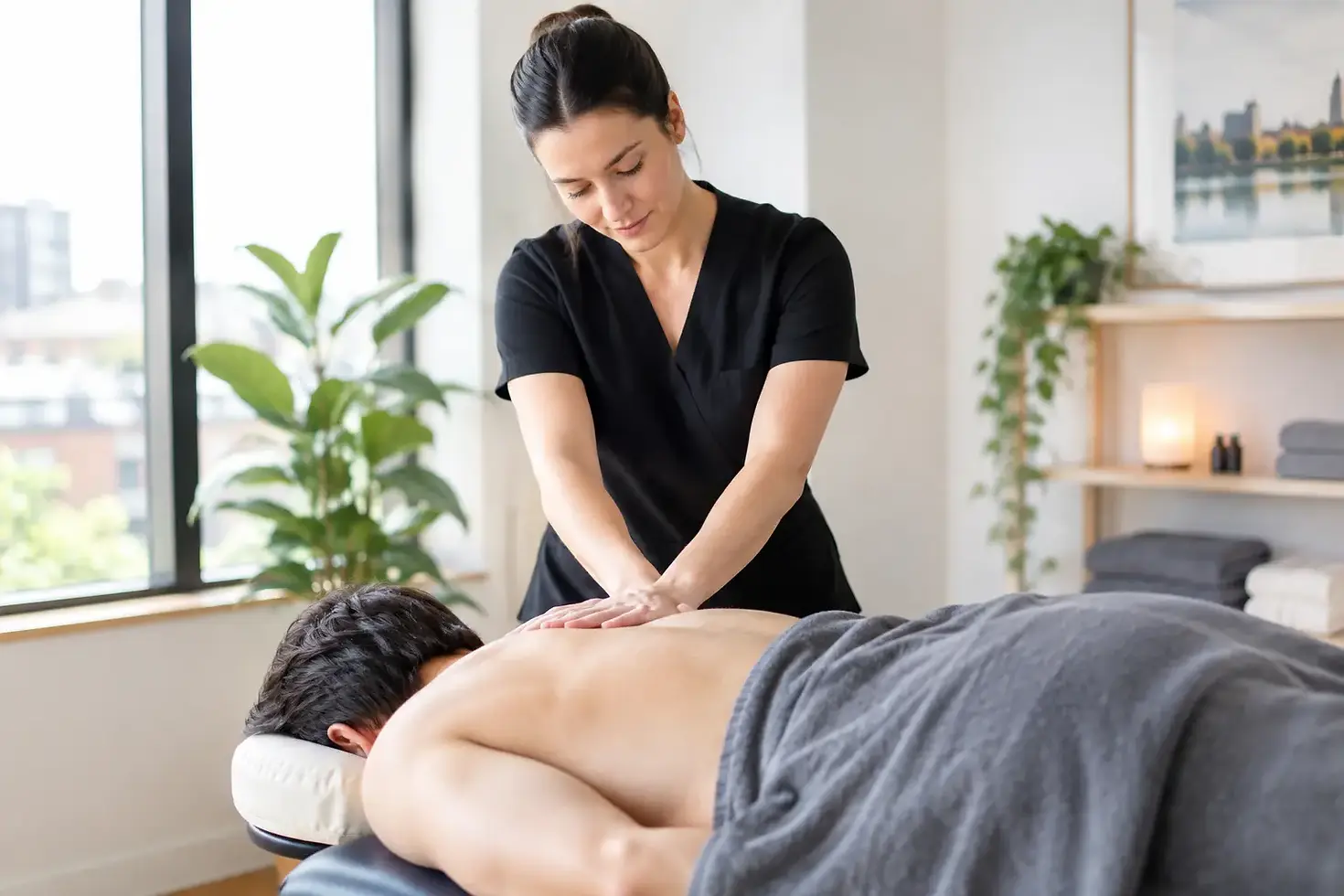
Leslieville Massage Therapy Clinic for Recovery
A stiff neck after hours at a desk, a calf that never settled after a run, or low back pain that makes the commute feel longer than it is - these problems rarely improve because you simply try to ignore them. A Leslieville massage therapy clinic can provide focused, hands-on care that helps ease muscle tension, improve movement, and support a more complete recovery plan.
Massage therapy is not just a break from a busy week. When it is delivered by a registered massage therapist and built around your symptoms, health history, and goals, it can be a useful part of care for pain, injury, and movement limitations. The right approach depends on what is causing your symptoms, how long they have been present, and whether other treatment is needed alongside massage.
What to Expect at a Leslieville Massage Therapy Clinic
A good first massage therapy appointment starts with a conversation, not a routine. Your therapist should ask about your pain, daily activities, past injuries, medical history, and what you want to return to - whether that is sleeping comfortably, lifting a child, training for a race, or getting through a workday without constant discomfort.
The assessment also helps determine which areas need attention and what type of pressure is appropriate. Massage does not need to be intensely painful to be effective. In fact, overly aggressive treatment can leave an already sensitive area more irritated. Your therapist may use a combination of techniques to address tight or overworked soft tissue while checking how your body responds throughout the session.
Treatment may focus on the neck and shoulders, back, hips, legs, arms, or another area related to your symptoms. Sometimes the place that hurts is not the only area involved. For example, persistent shoulder tension may be connected to upper-back stiffness, workstation habits, or reduced movement through the rib cage. A careful assessment makes the treatment more purposeful.
You should also leave with a clear sense of next steps. That may include simple movement advice, changes to activity, or a recommendation to coordinate care with physiotherapy, chiropractic, osteopathy, or another service when massage alone is not the best fit.
When Massage Therapy May Help
Massage therapy can be helpful for many common musculoskeletal concerns, particularly when muscle tension, repetitive strain, reduced mobility, or recovery demands are part of the picture. People often seek care for headaches linked to neck tension, desk-related shoulder and back discomfort, hip and leg tightness, sports-related soreness, and chronic pain that affects daily movement.
It can also support recovery after an injury once the condition has been assessed and massage is appropriate. A sprain, strain, motor vehicle accident, or workplace injury can change how you move. Muscles may become guarded, surrounding tissues can feel tight, and ordinary activities can start to feel difficult. Massage therapy may help reduce some of that tension and make it easier to participate in an active rehabilitation plan.
That said, massage is not a replacement for medical assessment when symptoms are new, severe, or concerning. Sudden weakness, numbness, unexplained swelling, fever, severe pain after trauma, or changes in bladder or bowel control require prompt medical attention. A responsible clinic will recognize when referral or another type of care is needed.
Acute Pain and Chronic Tension Need Different Pacing
If pain began yesterday after lifting something awkwardly, the goal may be to calm irritation and maintain comfortable movement. Deep pressure is not automatically the answer. Early care often benefits from a gentler approach, along with guidance on safe activity and symptoms to monitor.
When discomfort has been present for months, the plan may look different. Chronic pain often involves more than one tight muscle. Sleep, stress, work demands, previous injuries, strength, and movement habits can all influence how symptoms persist. Massage can provide relief and help improve tolerance for movement, but lasting progress may also require exercise-based rehabilitation or other coordinated care.
Why Coordinated Care Can Make a Difference
A massage session can be valuable on its own, especially for straightforward muscular tension or recovery from demanding activity. But if pain keeps returning, limits your range of motion, or follows a significant injury, a multidisciplinary setting offers practical advantages.
At Kinetica Health Group, massage therapy can be part of a coordinated plan that includes hands-on treatment and active rehabilitation. A physiotherapist may assess movement, strength, and injury-related limitations. Chiropractic or osteopathic care may be considered when joint mobility or broader mechanical restrictions are contributing. Functional movement work can help turn short-term symptom relief into better control and confidence in daily activities.
This does not mean every patient needs every service. The appropriate plan should be as simple as your condition allows. Some people need a few massage appointments and practical self-care guidance. Others may benefit from alternating massage therapy with physiotherapy while recovering from a sports injury or accident. The value is having clinicians who can communicate around a shared recovery goal rather than treating each appointment as an isolated event.
Choosing the Right Massage Treatment Plan
There is no universal schedule for massage therapy. Frequency depends on your symptoms, activity level, recovery timeline, insurance coverage, and how you respond after treatment. More frequent visits may make sense during a short period of acute discomfort or as part of a structured injury-recovery plan. For ongoing desk-related tension or training demands, less frequent maintenance visits may be enough.
A useful treatment plan should be specific. Instead of simply being told to come back whenever you feel tight, ask what improvement should look like over the next few visits. That might include turning your head more comfortably while driving, sitting through a meeting with less pain, walking longer without hip discomfort, or returning to a preferred workout with fewer limitations.
Progress is not always perfectly linear. It is common to feel mild tenderness after treatment, particularly if tissues were sensitive before the session. However, pain that sharply increases, new symptoms, or worsening function should be discussed with your therapist. Good care includes adjusting the plan when your body is telling you something different.
Insurance and Scheduling Should Not Add Stress
For many patients, convenience matters almost as much as clinical fit. Evening availability, online booking, and direct billing can make it easier to get care before pain becomes a larger interruption to work, family, or training. If you plan to use extended health benefits, confirm your coverage details and any referral requirements with your insurer before your appointment.
For motor vehicle accident or workplace injury claims, treatment may involve additional paperwork and a more structured plan. Choosing a clinic familiar with these processes can reduce administrative friction and keep the focus on recovery.
Getting More From Your Massage Appointment
You do not need to arrive with a perfect explanation of what is wrong. Still, a few details can help your therapist make the session more useful: when symptoms started, what makes them better or worse, where discomfort travels, and which activities you have stopped or changed because of it.
Wear comfortable clothing, arrive a few minutes early if paperwork is required, and be honest about pressure. Some discomfort can occur when sensitive tissue is treated, but you should always feel able to ask for an adjustment. Massage therapy is collaborative care, not something you need to endure.
Afterward, follow the guidance you receive and pay attention to how your body responds over the next day or two. A short walk, gentle mobility work, hydration, or a temporary change in training may be recommended depending on your situation. The best post-treatment routine is not necessarily the most complicated one - it is the one that fits your condition and supports your next step forward.
If pain or restricted movement has begun to shape your routine, it is worth addressing before it becomes your new normal. A thoughtful massage therapy assessment can give you a clearer starting point, practical relief, and a plan that supports the way you want to move.


Comments