
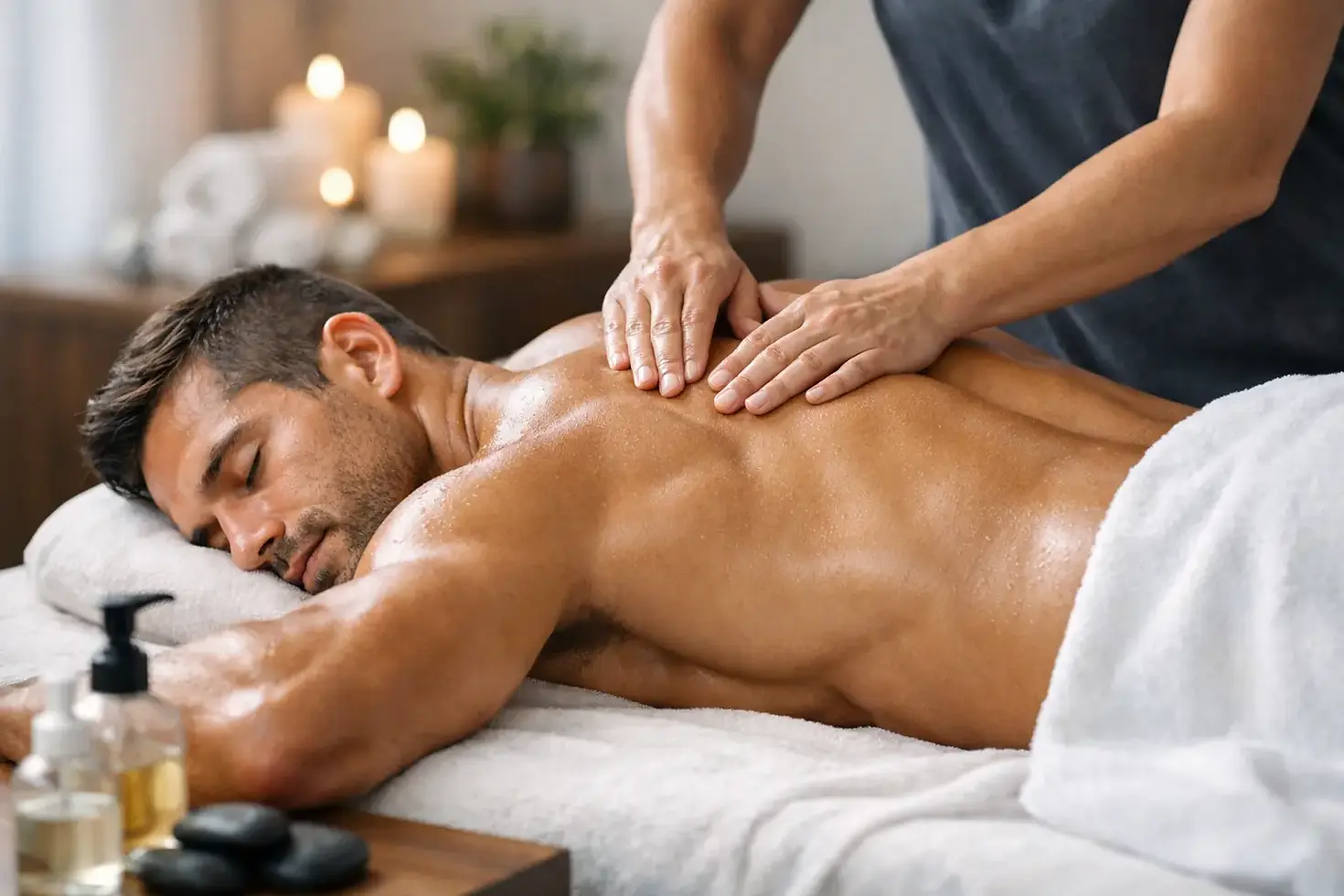
Massage Therapy for Muscle Recovery Works
The day after a hard workout, a long shift at a desk, or a minor injury, muscle soreness can make simple movements feel like work. That is where massage therapy for muscle recovery often helps most - not as a luxury, but as a practical part of getting you moving comfortably again.
For many people, recovery is not just about waiting for pain to settle. It is about reducing stiffness, restoring range of motion, and making sure sore or overworked muscles do not start affecting how the rest of the body moves. Whether you are an active adult, a runner training through the week, or someone dealing with tension from commuting and computer work, the right treatment plan can make recovery feel more manageable.
How massage therapy for muscle recovery helps
When muscles are overworked, irritated, or guarded after injury, they often become tight, tender, and less efficient. Massage therapy helps by addressing soft tissue tension directly. Hands-on treatment can improve local circulation, reduce the feeling of tightness, and help muscles relax enough to move more normally.
That matters because muscle recovery is not only about soreness. Tight tissue can change movement patterns. A stiff calf can affect the ankle, knee, and hip. Tension through the neck and upper back can contribute to headaches or shoulder discomfort. Treating the muscle itself may reduce pain, but it can also improve how the whole area functions.
There is also a nervous system effect that patients notice quickly. When muscles stay tense, the body tends to protect the area. Massage can help calm that protective response, which often makes movement feel easier. For someone returning to exercise or daily tasks after strain, that can be the difference between progressing and staying stuck.
What massage can and cannot do
Massage therapy can be very effective for muscle tightness, post-exercise soreness, overuse patterns, and recovery from many mild to moderate soft tissue issues. It may help reduce pain, improve flexibility, and support better movement between treatments or workouts.
At the same time, it is not a cure-all. If you have a significant tear, severe swelling, nerve symptoms, unexplained pain, or an injury that is not improving, massage alone may not be enough. In those situations, assessment matters. The best results usually come when treatment is matched to the actual cause of the problem, not just the sore spot.
That is why recovery often works better when massage therapy is part of a broader plan. Sometimes that plan also includes physiotherapy exercises, chiropractic care, osteopathy, acupuncture, or guided mobility work. If a muscle keeps tightening up, there is usually a reason. It could be joint restriction, poor movement mechanics, weakness, compensation after injury, or simply doing too much too soon.
When massage therapy for muscle recovery makes sense
Massage is often a good fit after intense activity, especially when muscles feel heavy, stiff, or unusually restricted. It can also be useful for repetitive strain from work, postural tension from prolonged sitting, and recovery after minor sprains or strains once the initial acute stage has settled.
Athletes and active adults often use massage to recover between training sessions. Office workers may benefit when upper back, hip, or forearm tension starts interfering with sleep, exercise, or concentration. Patients recovering from motor vehicle accidents or workplace injuries may also find that soft tissue treatment helps reduce guarding and improve comfort as part of a coordinated rehab program.
Timing matters, though. Deep pressure on a fresh injury is not always appropriate. In the early stage, the goal may be gentler work around the area, pain reduction, and helping nearby tissues stay mobile without aggravating healing tissue. As recovery progresses, treatment can become more targeted and more specific to restoring normal movement.
What a session may include
A good massage therapy session for recovery should start with a brief clinical conversation, not just a quick question about where it hurts. Your therapist should want to know when symptoms started, what movements are limited, what makes things worse, and what you need to get back to.
From there, treatment may focus on the sore muscle itself, but also on nearby structures that influence the area. If your hamstring feels tight, the issue may involve the glutes, hip flexors, low back, or calf. If your shoulders are sore, the neck, chest, and upper back often matter just as much.
The pressure and technique should match the goal. Some people need slower, deeper work to address persistent tension. Others respond better to moderate pressure and movement-based treatment. More pressure is not always better. If a session leaves you feeling bruised and unable to move well for days, that is usually too much.
At a multidisciplinary clinic, recovery-focused massage may also be paired with other hands-on approaches such as fascial stretch therapy, ART, or instrument-assisted soft tissue work when appropriate. That combination can be useful when tissue restriction is only part of the problem and mobility or movement control also needs attention.
Why recovery is rarely just about one muscle
Patients often come in saying a single muscle is the issue, but the body does not work in isolation. A sore low back may be related to tight hips and weak glutes. A recurring calf problem may reflect ankle stiffness or running mechanics. Neck tension can be influenced by workstation setup, breathing pattern, and stress load.
This is where a more coordinated approach stands out. Instead of treating soreness as a one-off event, a recovery plan can look at what caused the overload in the first place and what will keep it from returning. At Kinetica Health Group, that kind of one-on-one, integrated care is often what helps patients move from temporary relief to more consistent progress.
For some people, massage is the main treatment. For others, it works best alongside rehab exercises, mobility training, or another discipline under the same roof. That depends on the person, the injury, and the recovery goal.
How often should you book massage for recovery?
There is no single schedule that fits everyone. If you are dealing with an acute flare-up, you may benefit from more frequent sessions at first, followed by longer gaps as symptoms improve. If your goal is maintenance during heavy training or a physically demanding job, regular treatment every few weeks may be enough.
The better question is not how often massage should happen in general, but what result you are trying to achieve. If you need to reduce pain quickly, restore mobility after injury, or stay functional through a busy work period, your treatment frequency should reflect that. A good provider will adjust the plan as your body changes instead of putting you on a fixed schedule that does not match your needs.
Home care also matters. Light mobility work, hydration, sleep, gradual return to activity, and specific rehab exercises can all improve how well massage holds between visits. Treatment works better when it is part of recovery, not the only recovery strategy.
Signs you may need more than massage alone
Sometimes muscle soreness is straightforward. Sometimes it is a signal that more evaluation is needed. If your symptoms include numbness, tingling, sharp radiating pain, significant weakness, major swelling, or pain that keeps returning in the same pattern, it is worth looking deeper.
The same is true if recovery keeps stalling. If massage helps for a day or two but the problem always comes back, the issue may be more about mechanics, strength deficits, joint restriction, or workload than muscle tension alone. In those cases, combining services can save time and frustration.
That is often especially relevant for people recovering from car accidents, work injuries, or chronic pain patterns. These situations tend to be more layered, and they usually respond better to structured care rather than isolated appointments.
Choosing the right kind of care
If you are considering massage therapy for muscle recovery, look for a clinic that does more than provide a relaxing session. You want care that is personalized, clinically informed, and connected to a clear recovery goal. That includes understanding your injury history, your activity level, and what you need your body to do day to day.
Convenience matters too. When care is easy to access, people are more likely to stay consistent. Online booking, extended hours, and direct billing may not change the treatment itself, but they can make it much easier to follow through on the plan.
Muscle recovery is rarely about chasing soreness from one area to the next. It is about helping your body heal, move well, and handle the demands you place on it with less pain and less compensation. The right massage at the right time can be a meaningful part of that process - especially when it is delivered as part of a thoughtful, coordinated plan that keeps your long-term recovery in view.
If your muscles keep reminding you that something is off, it may be time to stop pushing through and start treating the problem with a plan that fits your life.


Comments