

Osteopathy for Pain Relief and Better Movement
A stiff neck that returns after every workweek, a low back that objects to getting out of the car, or a shoulder that never felt quite right after a fall can make everyday movement feel like a negotiation. Osteopathy is a hands-on approach that looks beyond the sore area alone, helping identify movement restrictions and strain patterns that may be contributing to pain.
For many people, the goal is not simply to feel better for a day. It is to move with more confidence, return to work or training, and understand what their body needs to stay on track. Osteopathic care can be one part of that process, particularly when it is paired with a clear plan for exercise, activity modification, and recovery.
What Is Osteopathy?
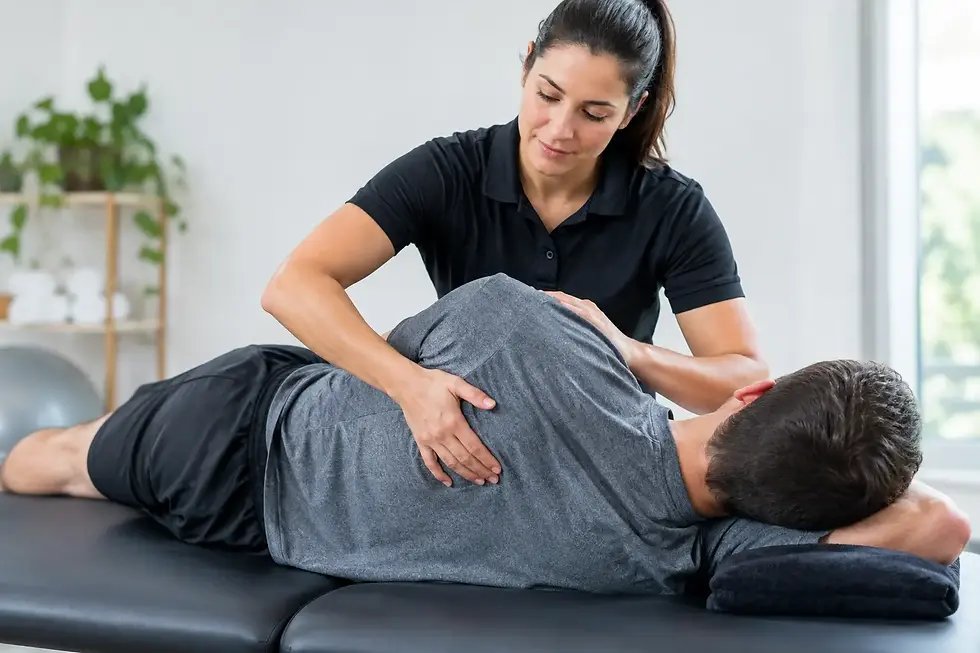
Osteopathy is a form of manual therapy focused on the relationship between the body’s structure and how it functions. During an assessment, an osteopathic practitioner may look at posture, joint motion, muscle tension, breathing mechanics, and how different areas of the body move together.
Treatment often involves gentle, hands-on techniques aimed at improving mobility and reducing tissue tension. Depending on the person and the practitioner’s assessment, this may include soft-tissue work, joint mobilization, stretching, or techniques that address the spine, hips, ribs, shoulders, or other connected areas.
The idea is practical: pain in one area can be affected by how nearby and sometimes more distant regions are moving. For example, recurring low back discomfort may be influenced by hip stiffness, prolonged sitting, reduced trunk control, or a recent change in activity. That does not mean every ache has one hidden cause. It means a useful assessment should consider the full movement picture before deciding where treatment should focus.
What Does an Osteopathy Appointment Look Like?
A first visit should begin with a conversation, not just treatment. Your practitioner will ask about your symptoms, health history, work demands, exercise habits, previous injuries, and what you want to return to doing. They may also ask what makes symptoms better or worse, whether pain travels, and whether there are changes in strength, sensation, balance, or sleep.
Next comes a physical assessment. This can include observing how you stand, walk, bend, reach, or squat, along with checking joint movement and areas of tenderness or tension. The assessment is guided by your symptoms and comfort level. You should always be able to ask questions, understand what is being tested, and decline a technique you do not want.
Hands-on treatment is then selected based on the findings. Some sessions feel calming and gentle; others may involve more focused work on a restricted joint or tight muscle. Treatment should not be a passive experience with vague promises. A good plan connects the session to a functional goal, such as turning your head while driving, lifting a child, walking longer distances, or returning to a sport.
Most people also benefit from simple guidance between visits. That may mean changing workstation habits, gradually building walking tolerance, adjusting training volume, or completing a few targeted mobility and strengthening exercises. The right recommendation depends on the issue. Rest can help after an acute injury, but prolonged avoidance often makes stiffness and confidence worse.
Conditions Osteopathy May Help Address
People commonly seek osteopathic treatment for musculoskeletal concerns, especially when pain, stiffness, or restricted movement is making daily activities harder. It may be considered for neck and back pain, headaches associated with neck tension, shoulder and hip discomfort, muscle strains, joint stiffness, repetitive-use issues, and postural discomfort related to long periods at a desk.
It can also be a supportive option during recovery from a sports injury or motor vehicle accident, once serious injury has been assessed and the treatment plan is appropriate for your stage of healing. In these situations, the value often comes from coordinating care rather than relying on one technique alone. Manual treatment may help you move more comfortably, while rehabilitation exercise helps rebuild strength, control, and tolerance for real-life demands.
Results vary. A recent muscle strain may respond differently than persistent pain that has been present for years. If your symptoms are driven largely by a temporary mobility restriction, hands-on care may provide noticeable short-term relief. If pain is tied to workload, sleep, stress, deconditioning, or a complex injury history, improvement may require a broader plan and more time.
Osteopathy Works Best as Part of a Recovery Plan
Hands-on care can be useful, but it is rarely the whole answer. The most durable outcomes usually come from combining symptom relief with a plan that helps your body handle the activities that matter to you.
For an office worker, that might include improving neck and upper-back mobility, adjusting desk habits, and building endurance for the muscles that support upright posture. For a runner, it may mean addressing an irritated area while reviewing training changes, hip and calf capacity, footwear, and recovery days. For someone recovering from a collision or workplace injury, care may need to progress carefully from pain management to movement restoration, strength, and return-to-work tasks.
At a multidisciplinary clinic, osteopathic care can be coordinated with physiotherapy, chiropractic care, massage therapy, acupuncture, or other services when that combination fits your needs. The benefit is not receiving every service available. It is having providers who can work toward the same functional goal and adjust the plan when progress stalls.
Kinetica Health Group takes this coordinated approach seriously. If a different assessment, additional rehabilitation, or a referral to another health professional is more appropriate, that should be part of the conversation. Personalized care means choosing what is useful, not adding treatment for its own sake.
Is Osteopathic Treatment Safe?
Osteopathic treatment is generally adapted to the individual, with technique choice based on your health history, symptoms, and physical findings. Tell your practitioner about recent surgeries, fractures, osteoporosis, inflammatory conditions, pregnancy, blood-thinning medication, numbness or weakness, or any new medical diagnosis. This information helps them determine which approaches are appropriate and whether another provider should be involved.
Some people feel mild soreness or fatigue after manual treatment, similar to how they might feel after a new workout. This usually settles within a day or two. Your practitioner should explain what to expect and what type of response would warrant a follow-up call.
Certain symptoms need prompt medical assessment rather than routine manual therapy. Seek urgent care for sudden or worsening weakness, loss of bladder or bowel control, severe unrelenting pain after significant trauma, chest pain, trouble breathing, unexplained fever, or new neurological symptoms. Manual care should never delay necessary medical attention.
How Many Sessions Will You Need?
There is no honest one-size-fits-all answer. Some people come in with a straightforward issue and need only a short course of care plus a home plan. Others are managing persistent pain, a physically demanding job, or multiple previous injuries and may benefit from a longer, phased approach.
A reasonable treatment plan should include a review point. You and your practitioner should be able to discuss whether pain, movement, function, or activity tolerance is changing. If progress is limited, the plan may need to change rather than simply repeating the same session.
Questions Worth Asking Before You Book
Ask what the assessment will involve, what goals the practitioner recommends, and how hands-on treatment will be paired with active recovery. It is also reasonable to ask how progress will be measured and whether your extended health benefits may cover the service. Clear answers are a sign that care is being organized around your needs.
If pain or stiffness is limiting the way you work, exercise, sleep, or move through your day, an osteopathic assessment can offer a practical starting point. The best next step is one that gives you a clearer understanding of the problem and a realistic path back to the activities that make your life feel like yours.


Comments